

By James Scott on Aug 20, 2026, 11:00:00 AM
Introduction
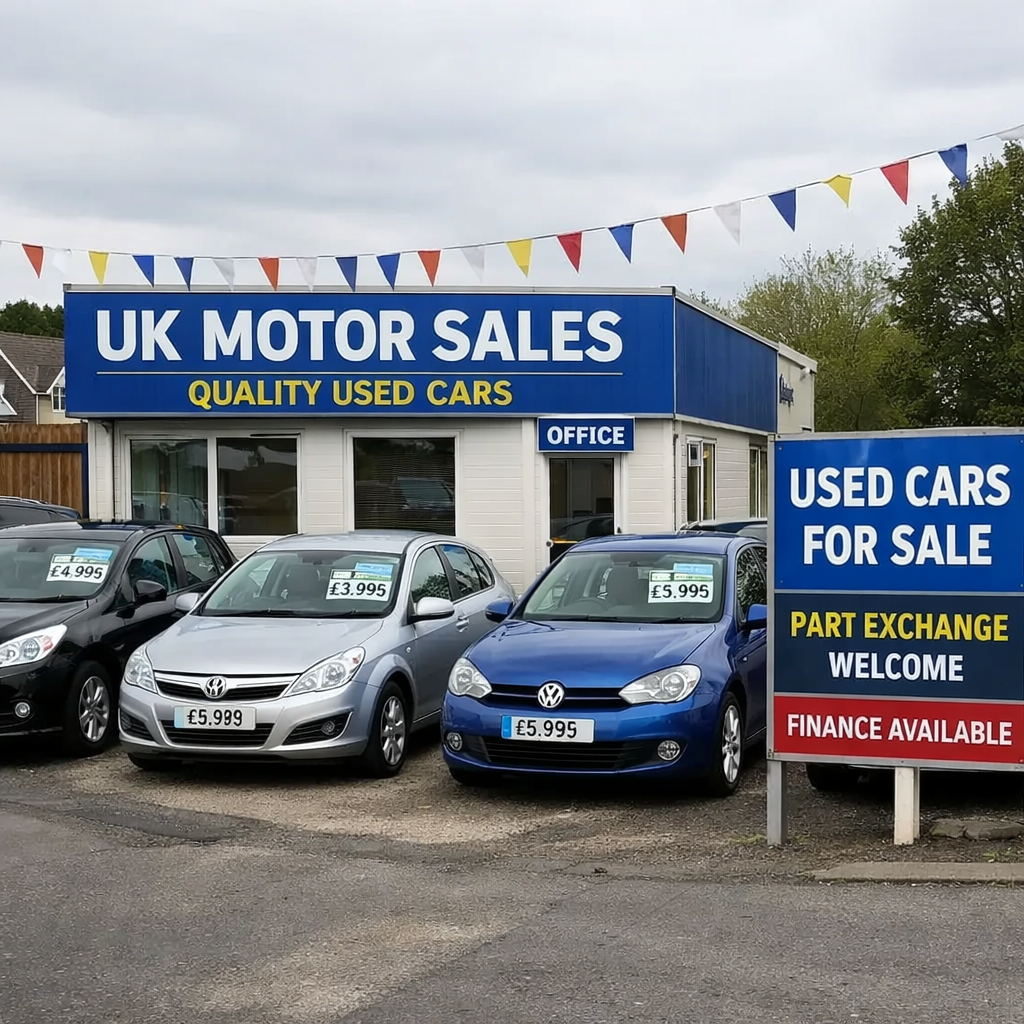
The second-hand car market has experienced significant changes over the past few years. From the global pandemic and supply chain disruptions to rising living costs and evolving technology, car values have fluctuated dramatically. As we move through 2026, the used car market is entering a period of adjustment and stabilisation.

For buyers and sellers alike, understanding how car values are changing is essential. This article explores how the second-hand car market has reacted in 2026, what factors are influencing used car prices, and what drivers can expect moving forward.
Why Used Car Prices Rose So Much in Recent Years
Between 2020 and 2023, the used car market saw an unprecedented surge in prices. The main reason was a global shortage of microchips, which are essential components in modern vehicles. This shortage significantly slowed new car production.
With fewer new cars available, many buyers turned to the second-hand market instead. Demand increased rapidly while supply remained limited. As a result, used car prices rose sharply, and in some cases, vehicles retained their value far longer than expected.
This unusual market situation meant that many sellers were able to achieve higher resale values than ever before.
How the Used Car Market Is Changing in 2026
By 2026, the used car market is beginning to stabilise. Manufacturing levels have improved, and more new vehicles are entering the market. This has gradually increased the supply of used vehicles as part-exchange cars, lease returns, and fleet vehicles return to dealerships.
While prices remain relatively strong compared with pre-pandemic levels, the extreme price increases seen earlier in the decade have slowed. In many cases, vehicles are now returning to more traditional depreciation patterns.
However, the market is still very active. Millions of used vehicles continue to change hands each year, making it one of the largest sectors within the automotive industry.
Supply and Demand Still Drive Car Values
Supply and demand remain the biggest factors influencing used car prices in 2026.
Although production has improved, the industry is still feeling the long-term effects of lower new car registrations during the pandemic years. Because fewer cars were produced during that period, there are now fewer vehicles entering the used market several years later.
This is particularly noticeable with cars that are around three to six years old—an age range that is typically very popular with buyers. As a result, well-maintained vehicles in this category can still command strong prices.
Changing Buyer Behaviour
Another key factor influencing the second-hand market in 2026 is changing consumer behaviour.
With the ongoing cost-of-living pressures affecting many households, affordability has become a major priority for drivers. More buyers are choosing used vehicles instead of purchasing brand-new cars.
Used cars offer several financial advantages, including:
- Lower purchase prices
- Reduced insurance costs
- Slower depreciation compared with new vehicles
- Wider availability of models within budget
Because of these benefits, demand for reliable second-hand cars remains strong across the UK.
Electric Vehicles and Their Impact on Used Car Prices
Electric vehicles (EVs) are also influencing the second-hand car market. As more EVs enter the market, the used electric car sector is expanding rapidly.
However, EV values have been more volatile than traditional petrol and diesel vehicles. This is partly due to:
- Rapid improvements in battery technology
- Changes in government incentives
- Concerns around battery lifespan
- Increasing numbers of new EV models entering the market
These factors have caused some used electric vehicles to depreciate faster than expected. At the same time, they are becoming more affordable for buyers who want to transition to electric driving.
What This Means for Buyers
For buyers, the 2026 market presents opportunities. As prices stabilise and supply gradually increases, it is becoming easier to find good deals compared with the peak of the market in previous years.
Buyers should still focus on important factors such as:
- Full service history
- Vehicle condition
- Mileage
- Previous ownership
- Reliability of the model
Well-researched purchases can still provide excellent value in today’s market.
What This Means for Sellers
Sellers may notice that vehicles are no longer achieving the unusually high resale prices seen during the peak of the market.
However, desirable models, well-maintained cars, and vehicles with low mileage can still attract strong interest from buyers. Private sellers and dealerships alike continue to benefit from the healthy demand in the second-hand market.
Preparing a car properly for sale—including servicing, cleaning, and providing complete documentation—can help maximise resale value.
The Future of the Used Car Market
Looking ahead, the second-hand car market is expected to remain strong, although it will likely continue moving toward more normal pricing trends.
Several factors will shape the market in the coming years, including:
- The continued adoption of electric vehicles
- Economic conditions and consumer confidence
- Vehicle production levels
- Government regulations affecting drivers
Despite these uncertainties, used cars will continue to play a vital role in making motoring more affordable for millions of drivers.
Conclusion
The second-hand car market in 2026 is entering a period of stabilisation after several years of dramatic price fluctuations. While the extraordinary price increases of the early 2020s are easing, demand for used vehicles remains strong.
Supply constraints, changing buyer behaviour, and the rise of electric vehicles are all influencing car values. For both buyers and sellers, understanding these trends can help make smarter decisions in a constantly evolving market.
As the automotive industry continues to adapt, the used car market will remain an essential part of the driving economy—providing affordable options for motorists while responding to technological and economic change.
For more information, check our blogs.


Do You Have To Buy Flood Insurance?
What Happens Before A Vehicle Is Added To The MID?


No Comments Yet
Let us know what you think