
By Crowthorne Insurance on Aug 20, 2026, 11:00:00 AM
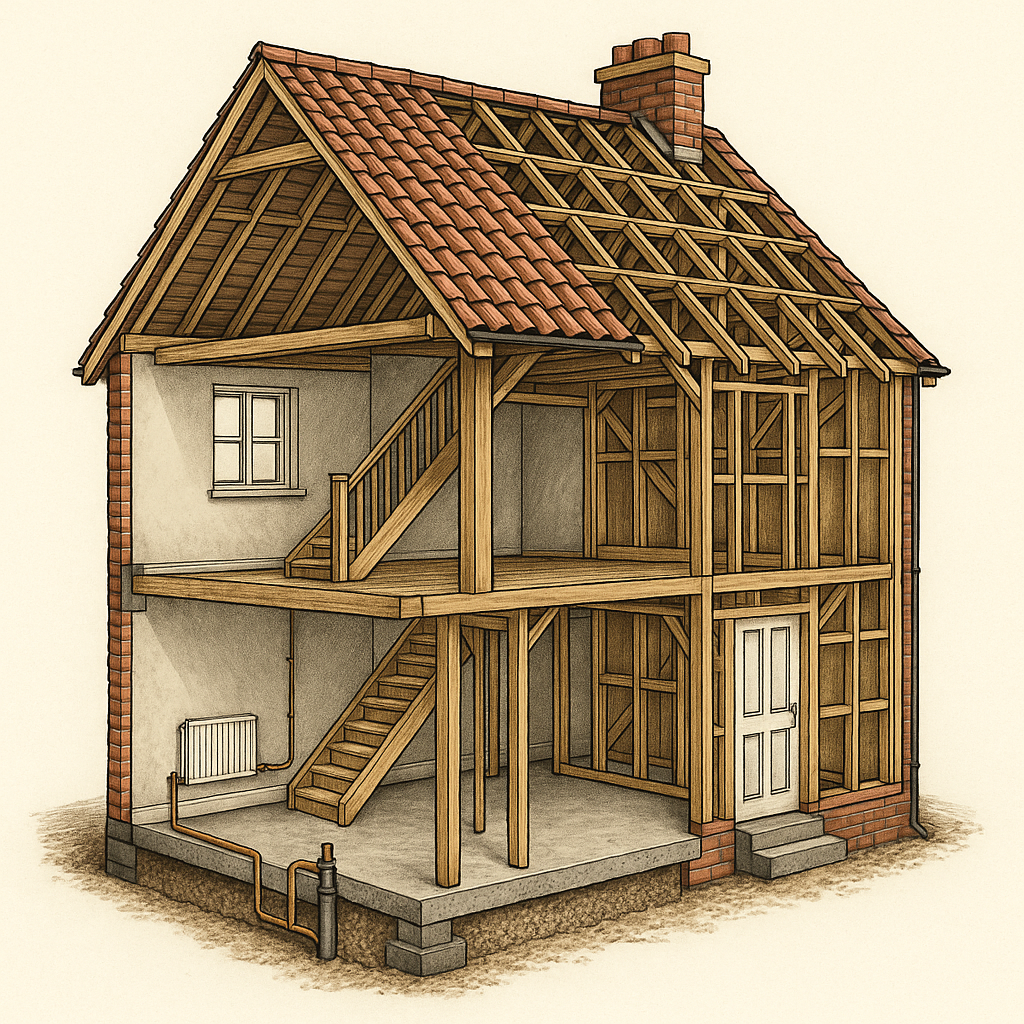
Understanding rebuild costs is essential to ensure your home insurance provides adequate protection against the financial burden of complete property reconstruction.

What Rebuild Costs Really Mean For Your Home Insurance?
When arranging home insurance, many homeowners assume their policy should cover the market value of their property. In reality, insurers are interested in something different: the cost of rebuilding your home from scratch.
This is known as the rebuild cost.
Rebuild cost is the amount it would take to completely reconstruct your property if it were destroyed by something like a fire, flood, or structural collapse. It includes:
- Building materials
- Labour
- Architect and surveyor fees
- Site clearance and demolition
- Compliance with current building regulations
What it does not include is the value of the land or the desirability of the location.
For example, a home worth £500,000 on the property market might only cost £300,000 to rebuild. On the other hand, a period cottage worth £350,000 might cost £600,000 or more to reconstruct because of specialist materials and craftsmanship.
This is why insurers base building insurance on rebuild cost rather than market value.
Why Getting The Rebuild Cost Right Matters?
The rebuild figure you provide helps your insurer determine how much cover your policy should include.
If the rebuild value is too low, you risk being underinsured. This means that if you make a claim, the insurer may only pay part of the costs.
For example:
- Actual rebuild cost: £300,000
- Policy cover: £200,000
If you suffered £120,000 of damage, the insurer could apply something called average, meaning they only pay a proportion of the claim. In this case, you might receive around £80,000, leaving you to cover the rest yourself.
Underinsurance is more common than many homeowners realise and can create serious financial problems after a major loss.
Is It A Problem If You’re Over-Insured?
Many people worry about getting the rebuild cost exactly right, but in reality being slightly over-insured is usually not a major issue.
Insurers will only ever pay the actual cost of rebuilding your property, even if the policy limit is higher.
For example:
- Policy rebuild limit: £400,000
- Actual rebuild cost: £320,000
If the house was completely destroyed, the insurer would simply pay the £320,000 required to rebuild it. You wouldn’t receive the extra money, but you also wouldn’t face a shortfall.
Because of this, having a bit of extra cover can actually provide peace of mind.
Why Many Policies Offer “Blanket” Buildings Cover?
You may have seen some home insurance policies that offer buildings cover up to £1 million or more, regardless of the exact rebuild cost.
This is often known as blanket cover.
Instead of asking homeowners to calculate the rebuild value precisely, the insurer sets a high maximum limit designed to cover the vast majority of UK homes.
For many standard properties, this removes the risk of accidentally underinsuring the home. As long as:
- The property details are correct
- The home fits within the insurer’s criteria
The policy will normally cover the full rebuild cost if the worst happens.
What Actually Affects Rebuild Costs?
Rebuild costs are mainly based on the size and construction of the property, rather than where it’s located.
Factors that can affect the rebuild value include:
- Total floor area
- Number of storeys
- Construction materials (brick, stone, timber frame)
- Period features such as fireplaces or decorative plasterwork
- High-spec kitchens or bathrooms
- Garages and outbuildings
- Conservatories or extensions
- Regional building costs
Homes with non-standard construction can be significantly more expensive to rebuild. Examples include:
- Thatched cottages
- Listed buildings
- Timber-framed properties
- Homes built using unusual materials or techniques
These properties often require specialist craftsmen and traditional materials, which can dramatically increase rebuild costs.
How To Estimate Your Home’s Rebuild Cost?
For many homeowners, the easiest starting point is to use an online rebuild cost calculator based on cost per square metre.
In the UK, guidance is available from organisations such as the Building Cost Information Service (BCIS) and the Royal Institution of Chartered Surveyors (RICS).
These calculators estimate rebuild cost using information such as:
- Property size
- Construction type
- Location
They provide a useful guide for standard homes. However, if your property is unusual, historic, or has been significantly renovated, it may be worth obtaining a professional rebuild cost assessment from a surveyor.
A formal rebuild valuation typically costs £250–£500 and provides a detailed reinstatement figure for insurance purposes.
Common Mistakes Homeowners Make
Several common misunderstandings can lead to incorrect insurance cover.
Confusing Market Value With Rebuild Cost: Market value includes land value and location, which are irrelevant when rebuilding a property.
Not Updating The Rebuild Value: Construction costs change over time due to inflation and material prices. Rebuild costs should be reviewed regularly.
Forgetting Additional Structures: Garages, boundary walls, outbuildings, and driveways can all form part of the rebuild cost.
Not Telling Your Insurer About Renovations: Extensions, loft conversions, and major refurbishments can increase rebuild costs significantly. Insurers should always be notified when building work is undertaken.
When You Might Need Specialist Advice?
Some homes require a more detailed approach to buildings insurance. You may benefit from specialist advice if your property is:
- Listed or in a conservation area
- Thatched or timber-framed
- Built using non-standard materials
- Recently extended or undergoing renovation
- Architecturally unusual
These types of properties can have rebuild costs far higher than expected, which is why many standard insurers struggle to assess them correctly.
Final Thoughts
Your buildings insurance should protect the cost of rebuilding your home, not its market price.
Getting the rebuild value roughly right is important, but homeowners shouldn’t feel pressured to calculate it perfectly down to the last pound. In many cases, having a little extra cover, or choosing a policy with generous limits such as £1 million blanket buildings cover, can help avoid the risk of underinsurance.
If you’re unsure about the correct rebuild value for your property, speaking with a specialist broker can help ensure your cover properly reflects the true cost of reconstruction.
At Crowthorne Insurance, we regularly help homeowners arrange buildings cover for both standard and non-standard properties. Whether your home is listed, unusual, or undergoing renovation, we can help ensure your policy reflects the real cost of rebuilding. To discuss your property or review your current cover, call 01344 771626.


What To Think About When Renting Out A Spare Room?
Subsidence – 4 Important Signs To Look For


No Comments Yet
Let us know what you think