
By Crowthorne Insurance on Jun 25, 2026, 11:00:02 AM

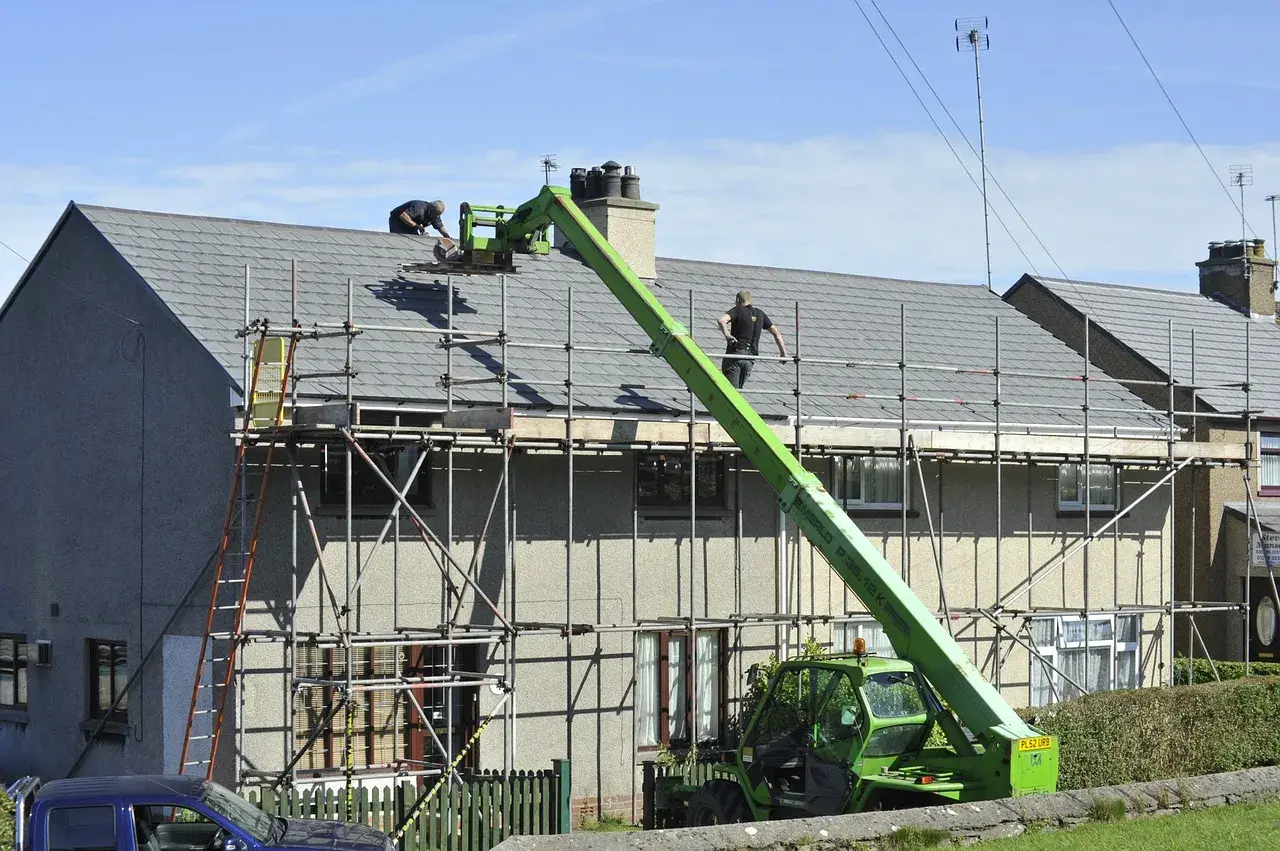
Planning a home renovation involves multiple stages, from design through to construction. It’s an exciting time for any property owner, but it’s also a period of significant financial risk.

Many homeowners embark on these projects under the assumption that if the roof collapses or a fire breaks out, the builder’s insurance will automatically pick up the bill. However, the reality of construction liability is rarely that simple.
Understanding who is responsible for what before the first sledgehammer swings can save you from potential legal and financial complications.
The Myth Of Builder Liability
It’s common to think that because you’re paying a professional, they’re responsible for everything on-site. While a contractor should have Public Liability insurance, this only covers their negligence. It doesn’t necessarily cover the existing structure or events deemed as accidental or non-negligent.
Distinguishing between contractor liability and homeowner responsibility is the first step. If a builder drops a brick on your neighbour’s car, their insurance should respond. However, if a storm blows down a half-finished extension wall, your builder may not be liable. If you haven't secured specific insurance for the house being renovated, your standard home insurer might refuse to pay because you didn’t declare the major works.
The Three Core Layers Of Renovation Risk
To manage a project successfully, you need to look at insurance as a three-layered safety net. Each layer covers a different aspect of the build, and gaps between these layers are where most disputes arise.
- The Existing Structure: This is the house as it stands before the project begins. Most standard home insurance policies have "alterations and renovations" exclusions. Once you start significant structural work, your insurer might restrict cover or void the policy entirely.
- Contract Works: This covers the new parts of the build, including the bricks, mortar and timber that haven't yet become part of the house. It also includes the theft of materials or damage to the work in progress. Without the right house insurance during renovation, these materials are often not covered under a standard policy.
- Liability and Injury: This layer protects you against third-party claims. If a visitor or a neighbour is injured due to the works, or if the renovation causes structural damage to a neighbouring property, you need robust liability protection.
Where Disputes Commonly Arise?
When a claim occurs, responsibility can become unclear. Without a specialist policy in place, you may find yourself facing uncertainty between different insurance responsibilities. Common flashpoints that lead to a house renovation gone wrong include:
- Fire: If a spark from a grinder starts a fire, proving negligence can require investigation to determine responsibility.
- Structural Collapse: If an RSJ isn't supported correctly and the masonry fails, the builder may argue it was a pre-existing fault in the property.
- Neighbour Damage: Cracks appearing in the house next door due to ground movement or piling.
- Theft of Materials: Builders often don’t insure materials once they arrive on your property, yet your home policy won't cover them because they are considered unfixed.
Why Complex Projects Need Standalone Cover?
If you’re planning a high-value or complex renovation, relying on a patchwork of standard policies is a gamble. Specialist insurance for a house being renovated removes the ambiguity. It provides project-based protection that wraps around the existing structure, the new works, and the liability risks in one single document.
This type of cover is designed to be comprehensive, meaning the project is protected, including situations where responsibility may not be immediately clear. It provides the same level of certainty that a specialist business policy provides to a professional. These specialist policies also remove restrictive conditions. For example, a standard insurer might insist the property is occupied, whereas a house insurance during renovation policy understands that you might need to move out for six months while the heavy lifting is underway.
Specialist Advice For Your Dream Build
At Crowthorne Insurance, we understand that your home is your most valuable asset. We don't believe in leaving your financial security to chance or assuming that your builder has the right cover in place. Our advisory-led approach ensures that your project is protected from the ground up.
We help you navigate the complexities of Joint Names insurance and Party Wall agreements, ensuring that you, your family, and your investment are safe from the moment the site is set up until the final sign-off.
Request a callback from our specialist team today to discuss your project.

Image Source: Envato

What Needs to be Insured During a House Renovation?
Why Do I Need Unoccupied House Insurance During Renovations?


No Comments Yet
Let us know what you think