

By Crowthorne Insurance on Jul 16, 2026, 11:00:01 AM
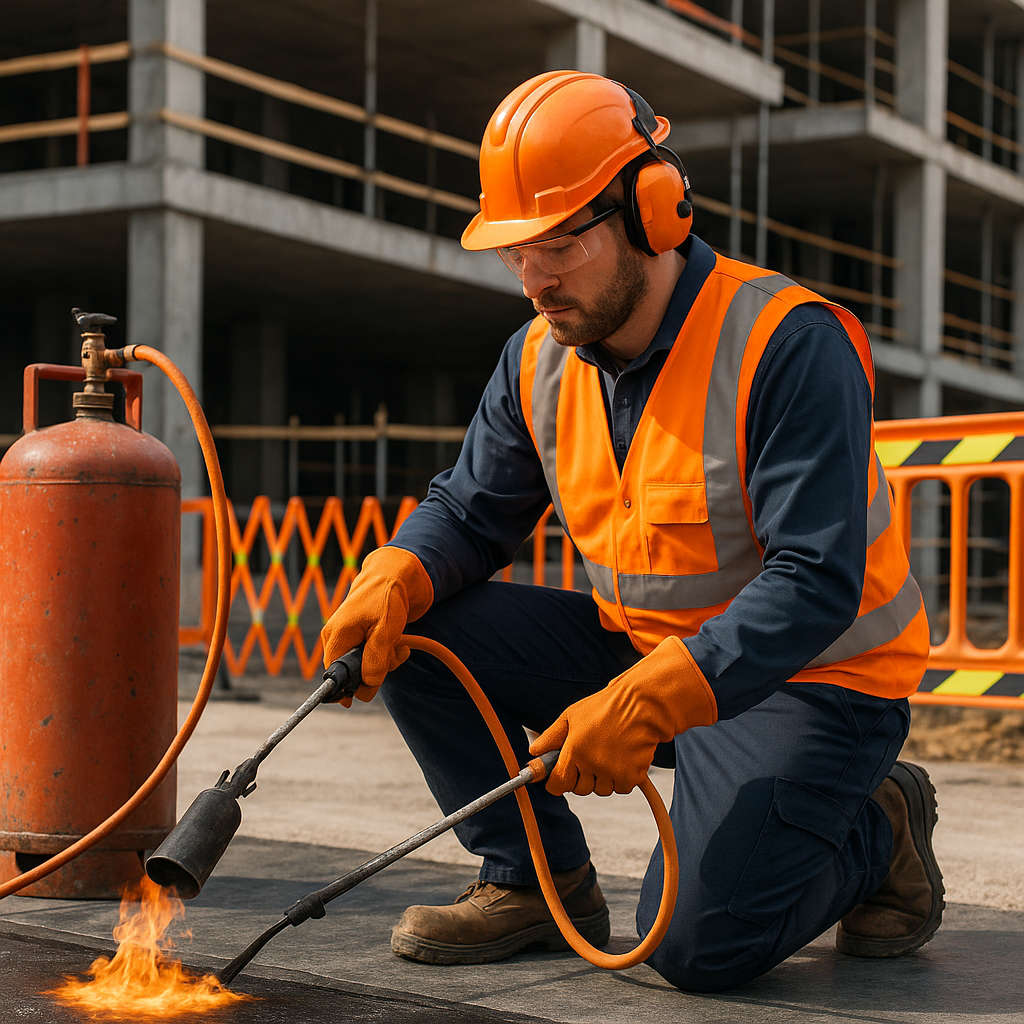
Understanding Heat Work Liability Risks in Construction
Construction professionals who work with heat-producing equipment face a unique set of liability risks that extend beyond standard trade risks. Hot work activities, including welding, cutting, soldering, brazing, and the use of torches or heat guns, introduce heightened fire hazards, burn risks, and potential property damage that can result in substantial claims against your business. Whether you are a specialist welder, a general contractor performing occasional hot work, or a tradesperson using heat tools for roofing or plumbing installations, understanding these specific risks is fundamental to protecting your enterprise.
The financial consequences of an incident during heat work can be severe. A spark from welding equipment may ignite combustible materials hours after you have left a site, leading to extensive fire damage to a client's property. Burn injuries to employees or third parties can result in significant compensation claims and legal costs. Additionally, damage to adjacent structures, vehicles, or equipment during hot work operations can expose your business to liability claims that may exceed hundreds of thousands of pounds. These scenarios underscore the importance of obtaining comprehensive liability insurance designed specifically to address the elevated risks associated with heat work.
Many construction professionals mistakenly assume their standard public liability or tradesman policy automatically covers all aspects of hot work. However, insurers often impose specific conditions, exclusions, or endorsements relating to heat-producing activities. Some policies may exclude claims arising from welding or require notification before undertaking hot work at certain locations. Others may limit coverage unless proper fire watch procedures and safety protocols are documented. For tradespeople regularly working with heat equipment, it is essential to ensure your insurance policy explicitly includes hot work activities and that you understand any conditions attached to this cover.
Public Liability Protection for Hot Work Activities
Public liability insurance forms the cornerstone of protection for any tradesperson or contractor working with heat equipment. This cover safeguards your business against claims for injury or property damage caused to third parties during the course of your work. When conducting hot work, the risk of third-party claims increases substantially; stray sparks could damage a client's furnishings, ignite roofing materials on a neighbouring property, or cause burns to a site visitor. Public liability insurance responds to such incidents by covering legal defence costs, compensation payments, and associated expenses up to your policy limit.
For construction professionals undertaking hot work, standard public liability limits of one million pounds may prove insufficient given the potential scale of fire-related damage claims. Many clients and principal contractors now require tradespeople to carry public liability cover of at least five million pounds, particularly when hot work forms a significant part of the contracted services. Higher limits, extending to ten million pounds or beyond, may be necessary for larger projects or when working on high-value properties. Ensuring your policy limit aligns with both contractual requirements and the realistic scope of potential claims is a fundamental risk management consideration.
It is important to verify that your public liability policy does not contain exclusions that could undermine cover during heat work operations. Some insurers impose conditions requiring adherence to specific safety standards, such as maintaining a fire watch for a designated period after completing hot work, ensuring fire extinguishers are readily available, or obtaining hot work permits where applicable. Non-compliance with these conditions could result in a declined claim. When arranging or reviewing your public liability insurance, discuss your heat work activities in detail with your broker to ensure the policy wording provides robust protection without unexpected gaps in cover.
Employers' Liability Risks When Teams Use Heat Equipment
If you employ staff who operate heat-producing equipment or work in environments where hot work is conducted, employers' liability insurance is not merely advisable; it is a legal requirement. Under the Employers' Liability (Compulsory Insurance) Act 1969, almost all employers in the United Kingdom must maintain at least five million pounds of employers' liability cover, though the standard market practice is to provide ten million pounds. This insurance protects your business if an employee suffers illness or injury in the course of their employment and subsequently brings a claim for compensation.
The nature of hot work significantly elevates the risk of workplace injuries. Welders may suffer burns, eye damage from arc flash, or respiratory conditions from inhaling fumes. Other team members working nearby face risks from flying sparks, heat exposure, or fire incidents triggered by hot work activities. Employers' liability insurance responds to claims arising from such incidents, covering medical expenses, compensation for lost earnings, legal costs, and damages awarded by the courts. Without adequate employers' liability cover in place, a single serious injury could result in substantial personal financial liability risks for the business owner.
Beyond meeting the legal minimum, construction business owners should ensure their employers' liability policy reflects the specific hazards associated with heat work. Insurers will assess the nature of your operations, the types of equipment used, the training and qualifications of your staff, and the safety measures you have implemented. Demonstrating robust health and safety practices, such as providing appropriate personal protective equipment, conducting risk assessments for hot work tasks, and maintaining equipment in good working order, can positively influence both the availability and cost of employers' liability cover. Regular policy reviews ensure that cover remains appropriate as your workforce or operations evolve.
Professional Indemnity and Fire Risk Management
While public and employers' liability insurance address bodily injury and property damage claims, professional indemnity insurance provides protection against allegations of professional negligence, errors, or omissions in the services you provide. For construction professionals offering design input, consultancy, project management, or specialist advice related to heat work installations, professional indemnity cover is an essential component of a comprehensive insurance portfolio. This policy responds when a client alleges that your professional advice or workmanship has resulted in financial loss, even if no physical damage or injury has occurred.
In the context of heat work, professional indemnity claims may arise from design defects in welded structures, failure to comply with building regulations or British Standards, inadequate risk assessments that fail to identify fire hazards, or errors in specifying heat-resistant materials. For example, if you advise a client on the suitability of certain materials for a hot work environment and those materials subsequently fail, leading to financial losses or the need for remedial work, a professional indemnity claim could follow. Such claims can be complex and costly to defend, underscoring the importance of maintaining adequate professional indemnity limits, typically starting at one million pounds but often extending higher depending on project values and contractual requirements.
Effective fire risk management practices not only reduce the likelihood of incidents but also support your position with insurers when arranging liability cover. Implementing formal hot work permit systems, conducting thorough site inspections before commencing heat activities, maintaining fire watch protocols during and after operations, and ensuring all team members hold relevant qualifications demonstrate a professional approach to risk control. Insurers view such measures favourably, which can result in more competitive premiums and broader policy terms. Integrating robust fire risk management into your daily operations is therefore both a safety imperative and a commercial advantage when securing the specialist liability risk insurance your heat work activities demand.
Ensuring Complete Cover for Your Heat Work Operations
Securing comprehensive liability insurance for heat work requires a thorough understanding of your operations, careful assessment of your risk exposures, and collaboration with an experienced insurance broker who understands the construction sector. Generic policies obtained through comparison websites or automated quotation systems may not adequately address the nuanced risks associated with hot work, potentially leaving significant gaps in your cover. A tailored approach, one that considers the specific types of heat equipment you use, the environments in which you work, the scale of projects you undertake, and any contractual insurance requirements, ensures your business is properly protected.
When arranging your liability insurance, provide your broker with detailed information about your heat work activities. This includes the nature and frequency of hot work tasks, the types of equipment and processes involved, the training and qualifications held by your team, the value of projects you typically undertake, and any claims history related to heat work incidents. Transparency during the underwriting process is essential; failing to disclose material facts could result in a policy being voided or claims being declined. An independent insurance broker with specialist knowledge of construction and tradesman risks will search the market to identify insurers who are comfortable with your operations and can offer robust cover at competitive premiums.
Regular policy reviews are equally important as your business evolves. Expanding into new types of hot work, taking on larger contracts, employing additional staff, or introducing new equipment all have implications for your insurance needs. An annual review with your broker ensures your liability limits remain appropriate, policy wording continues to reflect your current operations, and any new risks are adequately addressed. Combined with proactive risk management, ongoing training, and adherence to industry best practices, a well-structured heat work liability insurance programme provides the financial protection and peace of mind essential for construction professionals working with heat equipment.
For more information, please contact Crowthorne, and let one of the members of our team help you find the perfect cover for your needs that will ensure liability risks do not affect you.


How To Make Changing Car Insurance Providers As Stress Free As Possible

How To Choose The Right Business Insurance For Your Small Business


No Comments Yet
Let us know what you think