
By Crowthorne Insurance on Jan 6, 2026, 10:00:00 AM
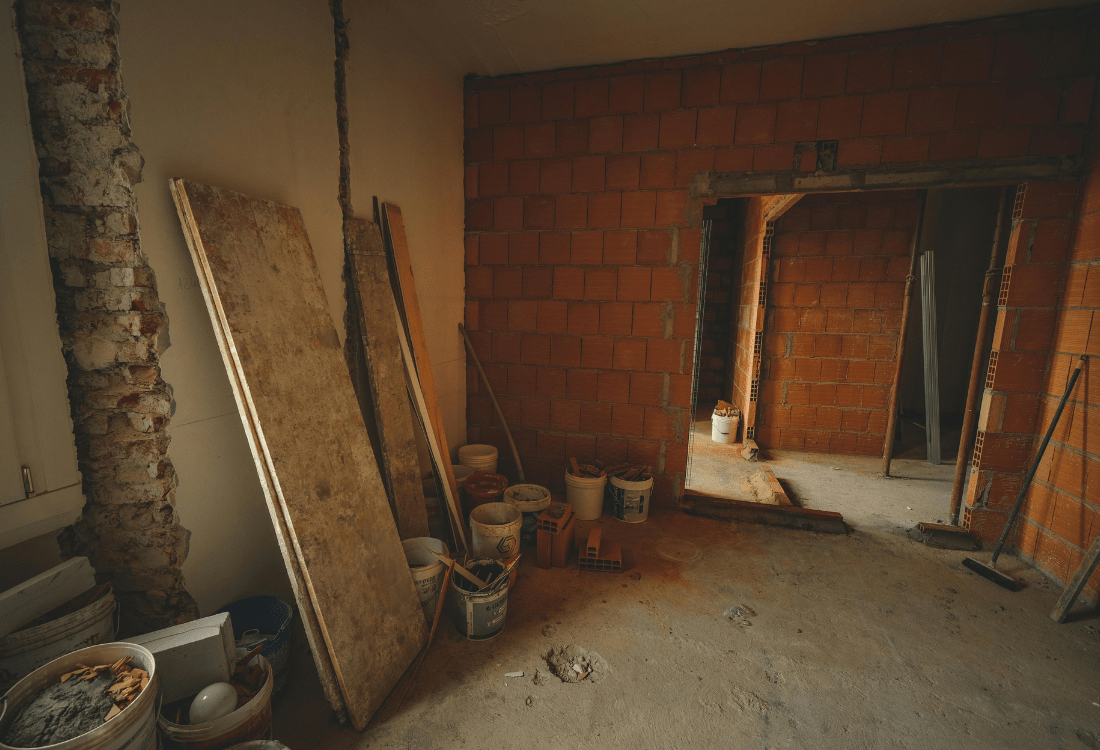
Renovating or extending your home can transform the way you live. These transformations can add space, comfort and value to your home. However, they can also change how insurers view the property.
Once structural changes or non-traditional materials are involved, your home may no longer fit the criteria for a standard policy.
That’s where non-standard home insurance for UK properties becomes essential. Here's what you need to know to protect your home.

What Is Non-Standard Home Insurance?
Home insurance for non-standard homes is designed for properties that fall outside typical construction or usage categories. Insurers use the term “non-standard” to describe homes built, altered, or used in ways that make them more complicated to insure.
This can include properties that are:
- Built with non-traditional materials such as timber or steel frames
- Built with archaic materials and techniques like wattle and daub or thatched roofing
- Extended or structurally altered from their original design
- Under renovation or conversion (for example, lofts or basements)
- Listed or located in conservation areas
According to the British Insurance Brokers’ Association (BIBA), homeowners who make major changes to their property should always inform their insurer, as failure to do so can invalidate their cover.
Why Renovations And Extensions Change Insurance Requirements
Adding a new kitchen or loft conversion can alter the structure, rebuild cost, and risk profile of your home.
If your policy doesn’t reflect these changes, you could find yourself underinsured, and your insurer may not pay the full cost of rebuilding or repairing after a claim.
Common factors that trigger the need for home insurance for non-standard construction include:
- Use of materials such as reclaimed wood, glass walls, or eco-friendly alternatives
- Structural alterations affecting load-bearing walls or foundations
- Periods where the property is unoccupied during major works
- Increased rebuild value following significant improvements
These make accurate rebuild valuation and specialist insurance advice essential.
The Risks Of Staying On A Standard Policy
Standard home insurance is based on assumptions about your property’s design and condition. Once that changes, so do the terms of cover.
Many policies exclude damage that occurs during building or renovation work. Without appropriate non-standard or renovation cover, you could be left paying out of pocket for structural damage, water leaks, or accidental fire.
How To Get The Right Cover
- Inform your insurer early (ideally before work starts).
- Obtain a new rebuild cost assessment to ensure your sum insured matches your property’s current value.
- Use a specialist broker to find the right home insurance for non-standard homes, especially if your property uses unique materials or has listed status.
- Consider temporary renovation insurance if your home will be unoccupied or partially habitable during works.
Specialist brokers understand which insurers accept non-standard construction and can ensure you’re fully protected during and after renovation.
Protect Your Investment With Crowthorne
Renovating your home is exciting, but it’s also a time when proper insurance matters most. At Crowthorne Insurance, we help homeowners find suitable non-standard home insurance in the UK, ensuring their property and investment are protected.
Planning a renovation or extension? Contact Crowthorne today to secure the right home insurance for non-standard homes and protect your property with confidence.

Image Source: Canva

Does Non-Standard Home Insurance Cover Renovations?
Holiday Home Insurance: What Do You Need To Know?

No Comments Yet
Let us know what you think