
By Crowthorne Insurance on Apr 30, 2026, 11:00:00 AM
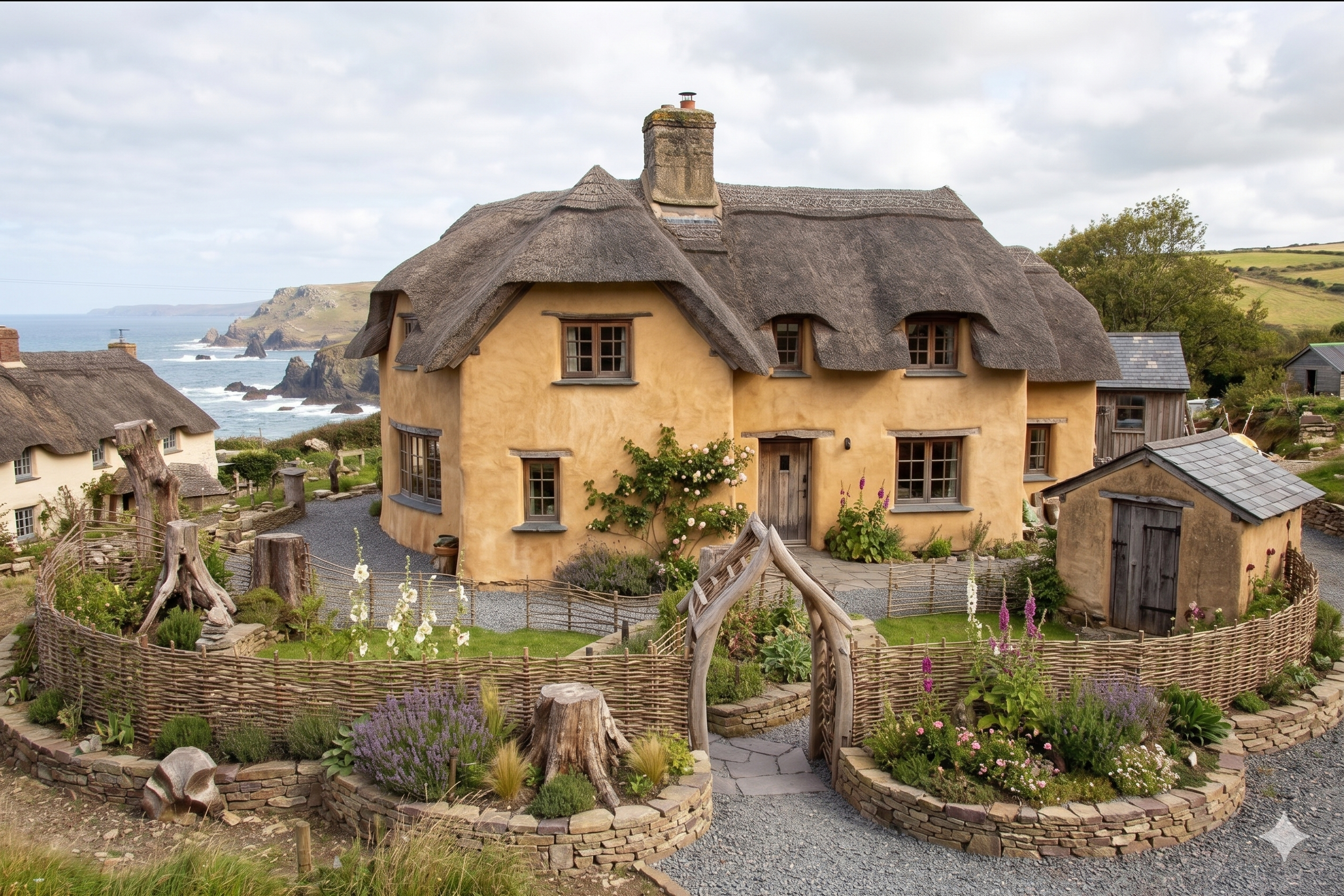
Cob houses are a distinctive part of the UK’s architectural heritage, but insuring them can be more complex than insuring a standard property. Built using natural materials such as clay, sand, straw, and lime, these properties offer an abundance of charm and character. They're also extremely sustainable and energy efficient.

However, when it comes to arranging cob house insurance, many homeowners quickly discover that comparison sites are not designed with non-standard construction in mind.
This article explains why comparison sites often fall short, the unique risks associated with cob construction, and why working with experienced brokers for house insurance can provide more reliable, tailored protection for your home.
Why Comparison Sites Struggle with Cob Houses?
Most comparison sites for home insurance are built around automated systems that rely on standardised data. They are designed for modern properties with conventional construction, i.e. brick walls, concrete foundations, and tiled roofing.
Cob houses do not fit neatly into these predefined categories. When a property does not match the expected risk profile, comparison sites may automatically decline to quote or produce policies that fail to reflect the true nature and risk profile of the building.
This creates a false impression that cob properties are uninsurable. In reality, the issue lies with the limitations of automated underwriting.
Understanding The Risks of Cob Construction
Cob (a combination of subsoil, straw and water) is a durable, fireproof and time-honoured building material. However, it does require a different approach to maintenance and insurance.
One of the main considerations for cob house insurance is moisture management. Cob walls need to breathe, and prolonged exposure to water caused by poor drainage, damaged roofing, or inappropriate repairs can lead to deterioration.
Other factors include the thickness of walls, traditional construction methods, and specialist repair requirements. These features are not inherently high risk, but they do need to be understood and reported accurately to insurers.
Generic policies sourced through comparison sites rarely account for these nuances, increasing the risk of rejected claims or, even worse, exclusions and underinsurance.
The Role of Specialist Brokers
This is where experienced brokers for house insurance play a critical role. Specialist brokers understand non-standard construction and know how to present a cob property to underwriters in a way that reflects its true risk profile.
Rather than relying on tick-box systems, brokers gather detailed information about the property, including materials, age, condition, and maintenance history. They can explain how the home is cared for and why it remains structurally sound, even if it does not follow modern building conventions.
This tailored approach helps underwriters assess the risk properly, resulting in more appropriate cover terms and fewer surprises at the claim stage.
Avoiding Underinsurance and Policy Gaps
One of the biggest dangers of relying on comparison sites for non-standard properties is underinsurance. Automated systems often underestimate rebuild costs for cob houses, which can be significantly higher than standard homes due to the specialist labour and materials required.
If a policy does not reflect the true rebuild value, claims may be reduced proportionally, leaving homeowners facing substantial cost shortfalls. Specialist insurance brokers help ensure that sums insured reflect the true cost of rebuilding the property, reducing the risk of financial exposure.
They also ensure that the policy wording reflects the specific construction of the property, avoiding exclusions that could otherwise invalidate claims.
Personal Advice and Ongoing Support
Insurance for non-standard homes is, by its very nature, highly customisable.
A personal broker model provides reassurance that your policy is reviewed, updated, and adjusted as needed over time.
Whether you are carrying out repairs, improving drainage, or undertaking sympathetic renovations, a broker can advise how changes may affect your cob house insurance. This ongoing relationship is something that home insurance comparison sites simply cannot offer.
In the event of a claim, having a broker who understands both your property and your policy can make the process far less stressful, helping to ensure claims are handled fairly and efficiently.
Peace of Mind Through Proper Protection
When maintained correctly, cob houses can stand for centuries. Insuring them should be about recognising their strengths as well as their differences. Specialist insurance brokers work with insurers who understand traditional construction and are able to offer cover that reflects the realities of these properties.
By contrast, comparison sites are built for speed and volume, not for individual risk assessment. While they may be suitable for standard homes, they often fall short when it comes to properties that sit outside the norm.
Making the Right Choice for Your Home
If you own a cob house or another non-standard property, choosing the right insurance route is crucial. Cob house insurance arranged through a specialist broker offers clarity, accuracy, and confidence that your home is properly protected.
If you own a cob house or other non-standard property and want tailored insurance advice from someone who understands your home, request a callback and speak with one of our specialists.


What To Look For In Motor Trade Insurance Companies Before You Buy

Public Liability Vs. Personal Accident: Which Does Your Small Trade Business Actually Need?

No Comments Yet
Let us know what you think