
By Crowthorne Insurance on Apr 23, 2026, 11:00:00 AM
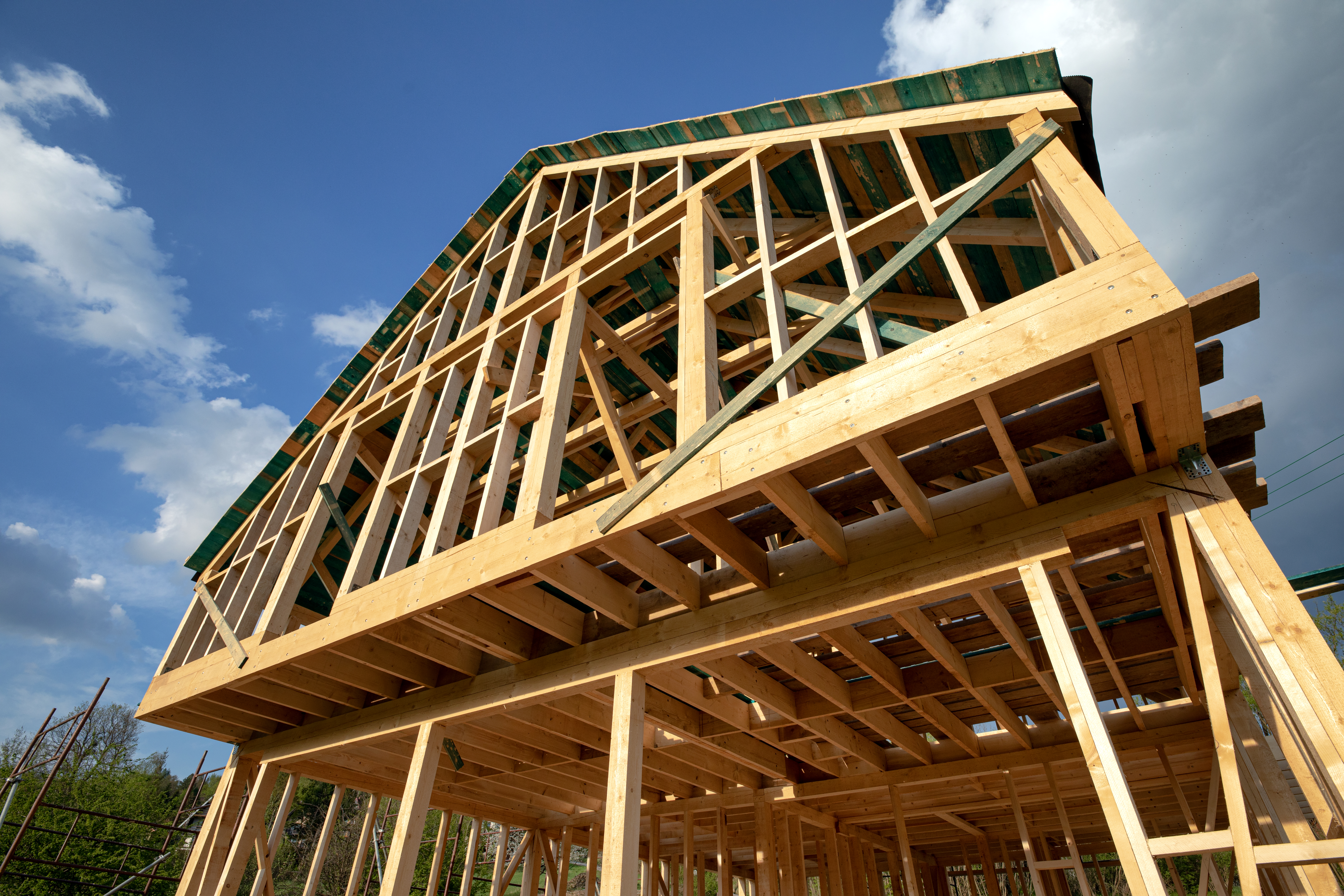
Their energy efficiency, fast construction times and inherent sustainability make timber-framed homes a popular construction method across the UK. From modern self-builds to older properties with timber elements, it's unsurprising that many UK homes (including over 90% of homes in Scotland) use timber frames.

However, when it comes to arranging timber-framed house insurance, many homeowners discover that insurers treat these properties differently from traditionally brick-built homes.
This article explains why timber-framed houses can present challenges for insurers, the most common pitfalls homeowners face, and the practical steps you can take to avoid underinsurance and secure appropriate cover.
Why Timber Framed Homes Are Viewed Differently By Insurers?
Insurers assess risk based on construction type, materials, and potential claims exposure. Timber-framed homes are not inherently unsafe, but the materials can influence how risks such as fire, water damage, and repair costs are evaluated.
As a result, house insurance for timber-framed houses is often underwritten differently. Some insurers may apply higher premiums, impose specific conditions, or decline cover altogether if they do not have experience with this construction type.
These challenges are not a reflection of your home's build quality, but rather the insurer’s risk appetite and familiarity with timber frame construction.
Common Pitfall One: Inaccurate Rebuild Cost Estimates
One of the most significant risks with insurance for timber-framed houses is underestimating the rebuild cost. Timber-framed properties often require specialist materials and skilled joiners, and may include bespoke design features that increase rebuilding costs.
Many homeowners rely on online calculators or market value estimates, which don't necessarily reflect true rebuild costs. If the sum insured is too low, any claim may be reduced proportionally, leaving the homeowner to make up the shortfall.
This is one of the most common causes of underinsurance and can have serious financial consequences following a major loss.
Common Pitfall Two: Assuming Standard Home Insurance Is Enough
Another frequent mistake is assuming that a standard home insurance policy automatically provides suitable cover for timber-framed properties. In reality, not all policies are designed to accommodate non-standard construction, and many insurers classify timber-framed homes as non-standard buildings.
Some timber-framed house insurance policies may include exclusions or restrictive terms that only become apparent at the claim stage. Others may fail to reflect the specific risks or repair requirements associated with timber frame construction.
Without careful review, homeowners may believe they are fully protected when important gaps exist in their cover.
Common Pitfall Three: Limited Insurer Choice
Not all insurers are willing to cover timber-framed homes, particularly if the property includes additional non-standard features such as a flat roof or bespoke design features. This can lead homeowners to accept the first quote offered without fully understanding the terms.
Limited insurer choice can also drive homeowners towards unsuitable policies simply because they appear affordable or readily available. For timber-framed house insurance, suitability is far more important than price in the long-term.
Step One: Obtain a Professional Rebuild Valuation
Underinsurance can be avoided by obtaining a professional rebuild valuation. This provides an accurate assessment of what it would cost to rebuild your home from scratch, including demolition, materials, labour, and professional fees.
A professional valuation ensures your insurance for timber-framed houses reflects reality rather than assumptions, helping to protect you financially in the event of a total loss.
Step Two: Disclose Construction Details Accurately
Accurate disclosure is essential when arranging house insurance for timber-framed houses. Insurers need to understand exactly how your home is built, including the frame type, external finishes, and any non-standard features.
Incomplete or inaccurate information can lead to declined claims or policy cancellation. Taking the time to provide full and correct details ensures your cover is based on a clear understanding of the risk.
Step Three: Work With Specialist Brokers
Specialist brokers play a key role in securing an appropriate policy. They understand how timber frame construction is viewed by insurers and know which providers are best suited to this type of property.
Rather than relying on automated systems, brokers present your home accurately to underwriters, ensuring policy terms, sums insured, and exclusions are appropriate. This tailored approach significantly reduces the risk of underinsurance or unsuitable cover.
Ongoing Reviews And Policy Updates
Your insurance needs may change over time, particularly if you renovate, extend, or alter your property. Regular policy reviews help ensure your insurance for timber-framed houses remains suitable as circumstances change.
A specialist broker can advise on how changes affect your cover and make adjustments to keep your protection aligned with your home’s true risk profile.
Get Expert Advice for Your Timber Framed Home
Timber-framed homes are a popular and proven construction choice, but insuring them requires careful consideration. Timber-framed house insurance should never be treated as a standard purchase.
By understanding the risks, avoiding common pitfalls, and working with professionals who understand timber frame construction, homeowners can secure cover that provides genuine peace of mind and financial protection.
If you own a timber-framed property and want specialist advice tailored to your home’s construction, request a callback and speak to one of our experienced brokers today. Image Source: Envato
Are Timber Frame Houses More Expensive To Insure?
Why The Construction Method Of Your Timber Frame House Matters To Insurers?


No Comments Yet
Let us know what you think