

By Crowthorne Insurance on Sep 17, 2026, 11:00:01 AM
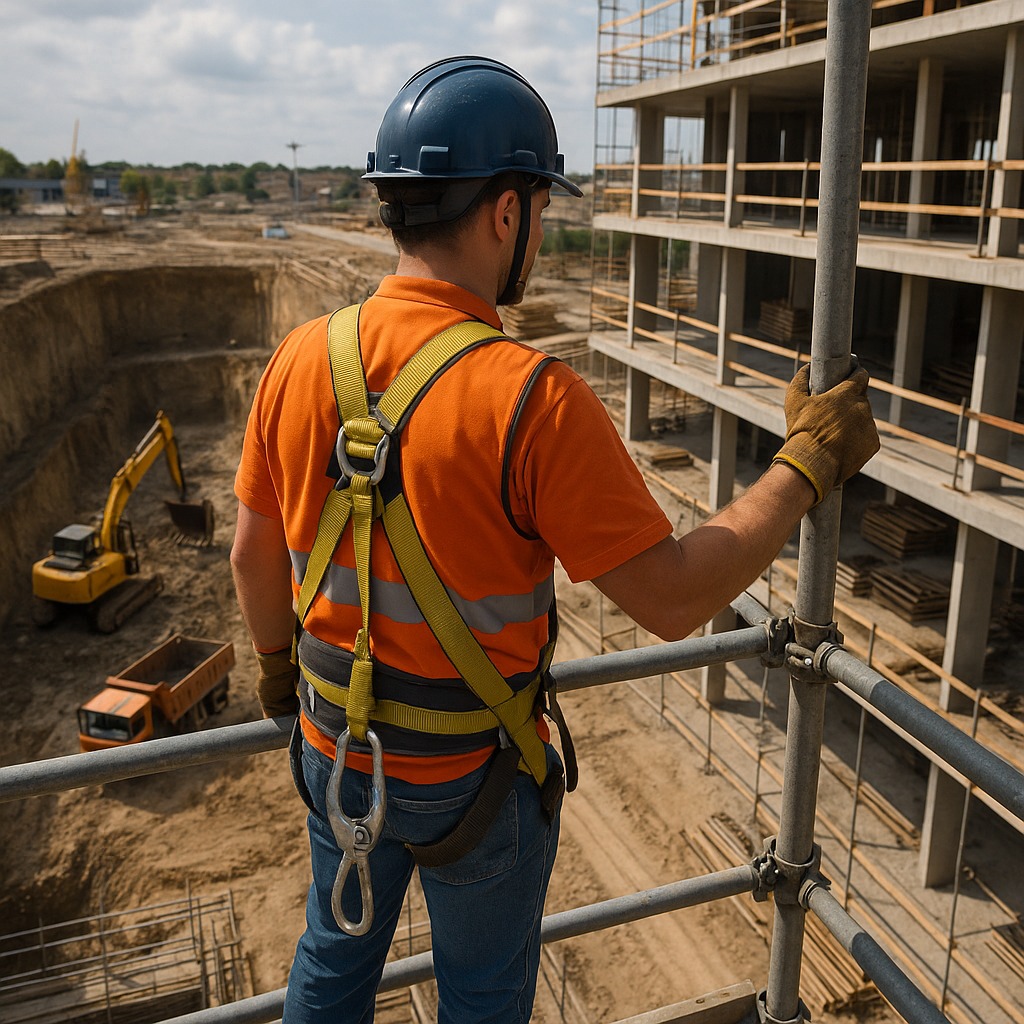
What Are Height And Depth Limits In Contractors Insurance Policies?
Height and depth limits are specific policy restrictions that define the maximum height above ground level or depth below ground level at which your insurance coverage remains valid. These limits are included in contractors insurance policies because working at significant heights or depths introduces additional risk factors that insurers must carefully assess and price accordingly.
Most standard contractors insurance policies include predetermined height and depth restrictions. For example, a typical public liability policy might limit coverage to work no higher than 10 metres above ground level and no deeper than 3 metres below ground level. Any work performed beyond these thresholds may not be covered unless you have specifically arranged extended coverage with your insurer.
These restrictions apply across various policy types including public liability insurance, employers' liability insurance, contract works cover, and professional indemnity insurance. The specific limits vary depending on your trade, the nature of your work, your experience level, and your claims history. Understanding these limits is essential because working beyond them without appropriate cover could leave you personally liable for accidents, injuries, or property damage.
Height restrictions typically cover activities such as roofing work, scaffolding, window installation, exterior painting, and signage fitting. Depth restrictions commonly apply to groundwork, excavation, foundation laying, drainage installation, and basement construction. If your regular work involves exceeding standard limits, you must disclose this to your broker to ensure adequate protection is arranged.
Common Height And Depth Exclusions That Catch Contractors Off Guard
Many contractors discover their coverage gaps only when making a claim, often because they were unaware of the specific exclusions written into their policies. One of the most common exclusions involves work performed from ladders or scaffolding above a certain height without proper certification or safety equipment. Insurers may decline claims if Health and Safety Executive guidelines were not followed, even if the work was within the stated height limit.
Excavation work presents another frequent area of exclusion. Standard policies often exclude any excavation deeper than 3 metres, or any work involving tunnelling, underpinning, or work near existing foundations without specialist cover. If you dig deeper than your policy allows and cause damage to neighbouring properties or utilities, your insurer may refuse the claim entirely, leaving you facing substantial financial liability.
Certain trades face particularly strict limitations. Scaffolders, for instance, may find their standard cover only extends to structures up to 12 metres high, yet many commercial projects require scaffolding well beyond this height. Similarly, electricians working on overhead power lines, roofers installing solar panels on high-rise buildings, and tree surgeons working at significant heights may all require specialist extensions to their policies.
Temporary exclusions can also apply. If you take on a one-off project that exceeds your normal operating parameters, such as a groundworks contractor accepting a deep basement excavation project, your standard policy may not provide cover for that specific job. You must notify your insurer and arrange temporary extension cover, or you risk working uninsured for the duration of that project.
Real-World Scenarios Where Height And Depth Limits Impact Claims
Consider a roofing contractor working on a three-storey residential property with a standard policy limiting cover to 10 metres. While installing new tiles, a worker accidentally drops tools that damage a parked vehicle below and injure a pedestrian. During the claims investigation, the insurer measures the working height at 11.5 metres, exceeding the policy limit by 1.5 metres. The claim is declined, and the contractor faces personal liability for medical expenses, vehicle repairs, and potential legal costs.
In another common scenario, a landscaping contractor excavates a garden pond to a depth of 3.5 metres, slightly exceeding the 3-metre depth limit on their public liability policy. During excavation, they accidentally damage underground water pipes serving neighbouring properties, causing flooding and significant property damage. When the affected homeowners claim compensation, the contractor's insurer refuses to pay because the work exceeded the depth restriction, leaving the contractor personally liable for tens of thousands of pounds in damages.
Electrical contractors frequently encounter height-related claim issues when working on commercial premises. One electrician accepted a contract to install lighting in a warehouse with a ceiling height of 15 metres, well above the 10-metre limit on their standard policy. When a colleague suffered a fall from a mobile elevated work platform and sustained serious injuries, the employer's liability claim was initially declined because the work exceeded the policy height restriction. The contractor faced significant legal costs and compensation payments.
Foundation specialists and groundwork contractors face particular risks with depth exclusions. A contractor undertaking basement excavation work reached a depth of 4 metres when the excavation collapsed, damaging adjacent property foundations and requiring emergency structural repairs. The insurer declined the contract works and public liability claims because the policy specifically excluded excavation work beyond 3 metres, and the contractor had not disclosed the true depth of the project when obtaining cover.
How To Assess Your Project Requirements And Match Coverage Accordingly?
Begin by conducting a thorough assessment of all projects you currently undertake and those you plan to accept in the coming year. Document the maximum heights and depths involved in your typical work, including occasional projects that fall outside your normal scope. This assessment should cover ladder work, scaffolding heights, elevated platform usage, excavation depths, and any underground work you perform.
Review your existing insurance documentation carefully, paying particular attention to the policy schedule, exclusions section, and any endorsements that modify your coverage. Identify the specific height and depth limits stated in your public liability, employers' liability, and contract works policies. If your policy documents are unclear or you cannot locate this information, contact your broker immediately for clarification.
Compare your actual working practices against your policy limits. If you regularly work at heights or depths that approach or exceed your policy restrictions, you must arrange appropriate extensions before commencing any further work. Consider both your most common activities and the occasional specialist projects you accept, as even infrequent work beyond your policy limits creates significant financial exposure.
When tendering for new contracts, always check the height and depth requirements before committing to the work. If a project exceeds your current coverage, contact your broker to arrange a policy extension or temporary cover for that specific project. Factor any additional premium costs into your tender price to ensure the work remains profitable while maintaining full insurance protection. Never assume your existing cover will stretch to accommodate unusual projects without explicit confirmation from your insurer.
Securing Appropriate Coverage For Work At Height And Depth Without Gaps
Securing adequate coverage begins with an honest, detailed disclosure to your insurance broker about the nature of your work. Provide specific information about the maximum heights and depths you work at, the equipment you use, the safety measures you have in place, and your experience and qualifications for this type of work. Comprehensive disclosure enables your broker to search the specialist market for insurers who understand your risks and can provide appropriate cover.
For contractors whose work regularly exceeds standard height or depth limits, specialist policies are available that provide extended coverage. Scaffolders, for example, can obtain policies covering structures up to 30 metres or higher. Groundwork contractors can arrange cover for excavations up to 6 metres or deeper, provided they demonstrate appropriate safety procedures and relevant qualifications. These specialist contractors insurance policies typically cost more than standard cover but provide essential protection for your business operations.
Consider arranging flexible policy extensions that can be activated for specific projects. Many insurers offer the ability to temporarily increase height or depth limits for individual contracts, with the additional premium calculated based on the project duration and risk level. This approach provides cost-effective coverage when you occasionally undertake work beyond your normal parameters without paying year-round for cover you rarely need.
Regular policy reviews are essential as your business evolves. As you take on larger projects, expand your service offerings, or move into new market sectors, your insurance requirements will change. Schedule an annual review with your broker to ensure your coverage remains aligned with your actual working practices. Additionally, contact your broker immediately if you are considering tendering for work that may exceed your current policy limits, rather than discovering coverage gaps after winning the contract.
At Crowthorne Insurance, our specialist brokers understand the complex risks faced by construction professionals working at height and depth. We search the specialist market to find policies that match your specific requirements, providing clear advice on coverage limits, exclusions, and costs. Our UK-based team offers fast, tailored quotes and guaranteed callback within 30 minutes, ensuring you have the right protection in place before commencing any work. Contact us on 01344 771626 for an honest assessment of your coverage needs and competitive quotes from leading specialist insurers.


No Comments Yet
Let us know what you think