

By Crowthorne Insurance on Sep 10, 2026, 11:00:03 AM

1. Incorrect or Missing Information
When you apply for insurance, the details you provide form the foundation of your policy. Insurers use this information to assess risk and decide what they can cover and at what price.
This includes things like:
- Previous claims or losses
- Driving convictions or penalty points
- The nature of your business activities
- Property features (e.g. security, construction type, occupancy)
Even small errors or omissions — whether intentional or accidental — can create problems later. If something comes to light during a claim that wasn’t disclosed, the insurer may reduce the payout, reject the claim, or in serious cases, cancel the policy altogether.
Tip: Take your time when completing forms, double-check your answers, and ask if anything is unclear. It’s always better to clarify upfront than risk issues later.
2. Not Understanding What’s Covered
Insurance policies aren’t one-size-fits-all. Each one has specific inclusions, limits, and exclusions.
For example, a policy might not cover:
- General wear and tear or gradual damage
- Certain high-risk activities or business uses
- Damage caused by lack of maintenance
- Specific events unless added as optional extras
Many people only realise these gaps when they try to make a claim — which can be frustrating and costly.
Tip: Read your policy documents carefully, especially the summary of cover and exclusions. If anything isn’t clear, ask your insurer or broker to explain it in plain terms.
3. Ignoring Policy Conditions
Insurance policies often come with conditions — essentially, rules you agree to follow in return for cover.
These might include:
- Keeping doors and windows locked when a property is unattended
- Maintaining alarms or security systems
- Servicing vehicles regularly
- Following health and safety regulations in a business
If these conditions aren’t met, an insurer may argue that the risk was increased, which could lead to a reduced payout or a rejected claim.
Tip: Familiarise yourself with your policy conditions and make them part of your routine. They’re there to reduce risk — for both you and the insurer.
4. Not Updating Your Policy
Life and business circumstances change, and your insurance needs to keep up.
Common changes that should be reported include:
- Moving home or renovating
- Buying expensive items or equipment
- Expanding business operations
- Changing how a vehicle or property is used
If your policy doesn’t reflect your current situation, you may find you’re underinsured — or not covered at all for certain risks.
Tip: Treat your insurance as something that evolves with you. Let your insurer or broker know as soon as something changes.
5. Reporting Claims Too Late
Most insurers require claims (or potential claims) to be reported as soon as reasonably possible.
Delays can:
- Make it harder to investigate what happened
- Lead to loss of evidence
- Raise concerns about the validity of the claim
In some cases, waiting too long could even invalidate your claim altogether.
Tip: If something happens that might lead to a claim, report it straight away — even if you’re unsure whether you’ll proceed.
6. Missing or Incomplete Evidence
A successful claim depends heavily on the evidence you provide. Insurers need clear, supporting information to assess what happened and determine the payout.
Useful evidence can include:
- Photos or videos of damage
- Receipts, invoices, or proof of ownership
- Police or incident reports
- Witness statements
Without this, the process can be delayed, or the claim may be reduced or declined.
Tip: Document everything as early as possible. Keep records organised and accessible — it can make a big difference during a claim.
7. Choosing the Wrong Cover
Not all insurance policies are equal, and choosing the wrong type or level of cover can leave you exposed.
For example:
- A policy might not cover the full value of your property or assets
- Important risks specific to your situation might be excluded
- You might be paying for cover you don’t actually need
This often happens when policies are chosen based on price alone rather than suitability.
Tip: Focus on value, not just cost. A knowledgeable broker can help tailor cover to your specific needs and identify any gaps.
Final Thought
Most insurance claims issue aren’t due to bad luck — they’re often the result of misunderstandings or small oversights. The good news is that they’re largely avoidable.
By:
- Being honest and thorough
- Understanding your cover
- Keeping your policy up to date
- Staying organised with documentation
…you give yourself the best chance of a smooth, stress-free claims process.
If you’re ever unsure, it’s always better to ask questions early, before you actually need to make a claim. Please call Crowthorne Insurance 01344 771626 for a free review of your current cover or email info@crowthorne.co.uk

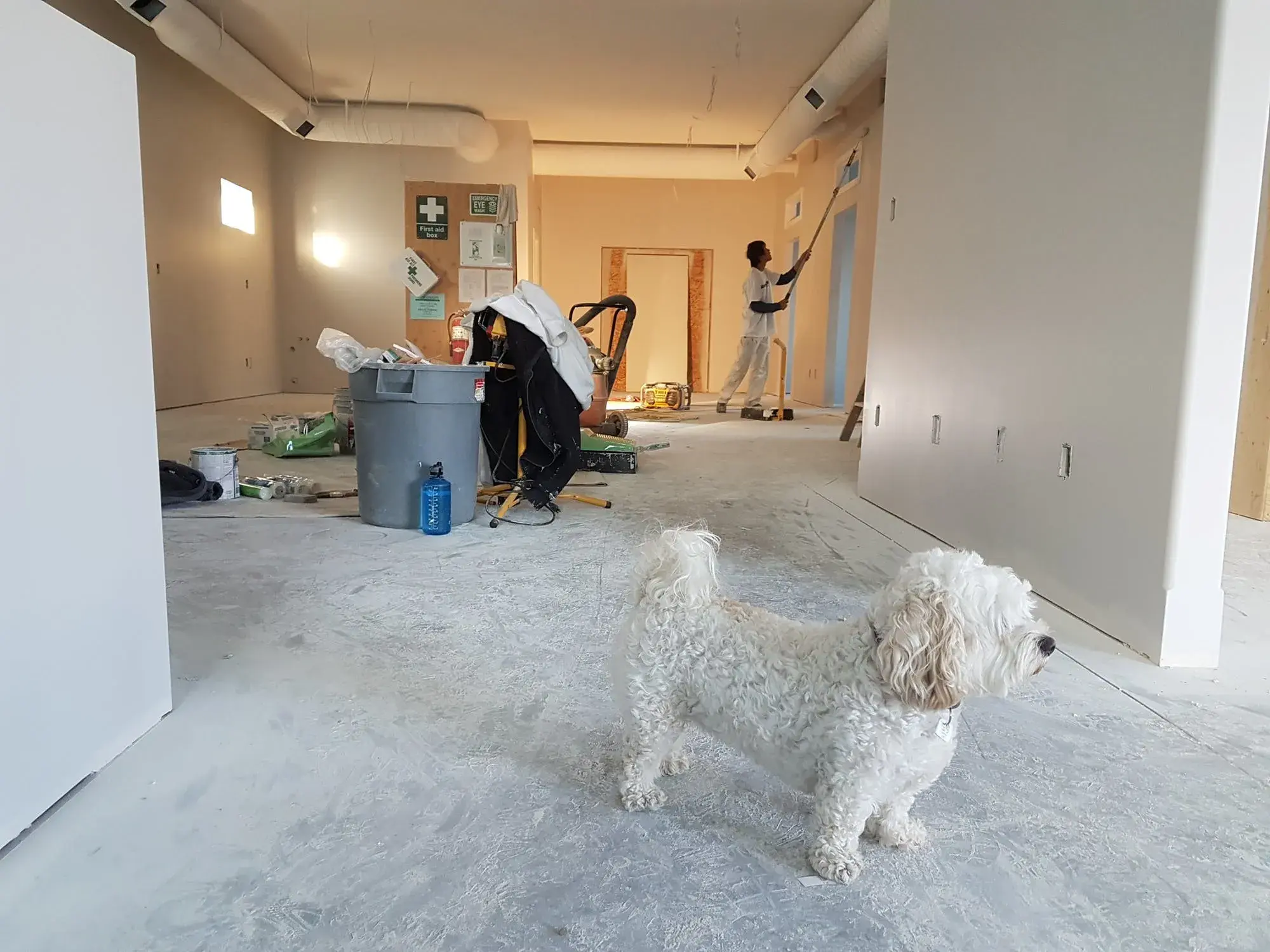
What Is & Isn’t Covered In House Renovation Insurance?

Why Do I Need Unoccupied House Insurance During Renovations?


No Comments Yet
Let us know what you think