

By James Scott on Sep 3, 2026, 11:00:00 AM
Building your own home is an exciting opportunity to create something unique. Whether you're designing a modern architectural home or simply trying to keep your project within budget, self-builders often explore alternative construction methods and materials.

In the insurance world, these are sometimes referred to as “non-standard construction.” However, using them doesn’t automatically mean your insurance will be difficult to obtain or unaffordable.
As insurance brokers working with self-build project, we regularly help clients secure competitive cover—even when their property includes materials or systems that fall outside traditional construction definitions.
What Are “Standard” and “Non-Standard” Materials?
Traditionally, the UK insurance market has classified homes built with brick or stone walls and a slate or tiled roof as “standard construction.”
Anything outside of that can sometimes be labelled non-standard. This might include:
- Timber frame construction
- Steel frame or modular structures
- Structural insulated panels (SIPs)
- Rendered insulation systems
- Flat or green roofs
- Reclaimed or alternative cladding materials
- Prefabricated or factory-built structural systems
While the term “non-standard” can sound concerning, many of these materials and construction methods are widely used in modern building and self-build projects.
The Growing Use of Prefabricated Systems
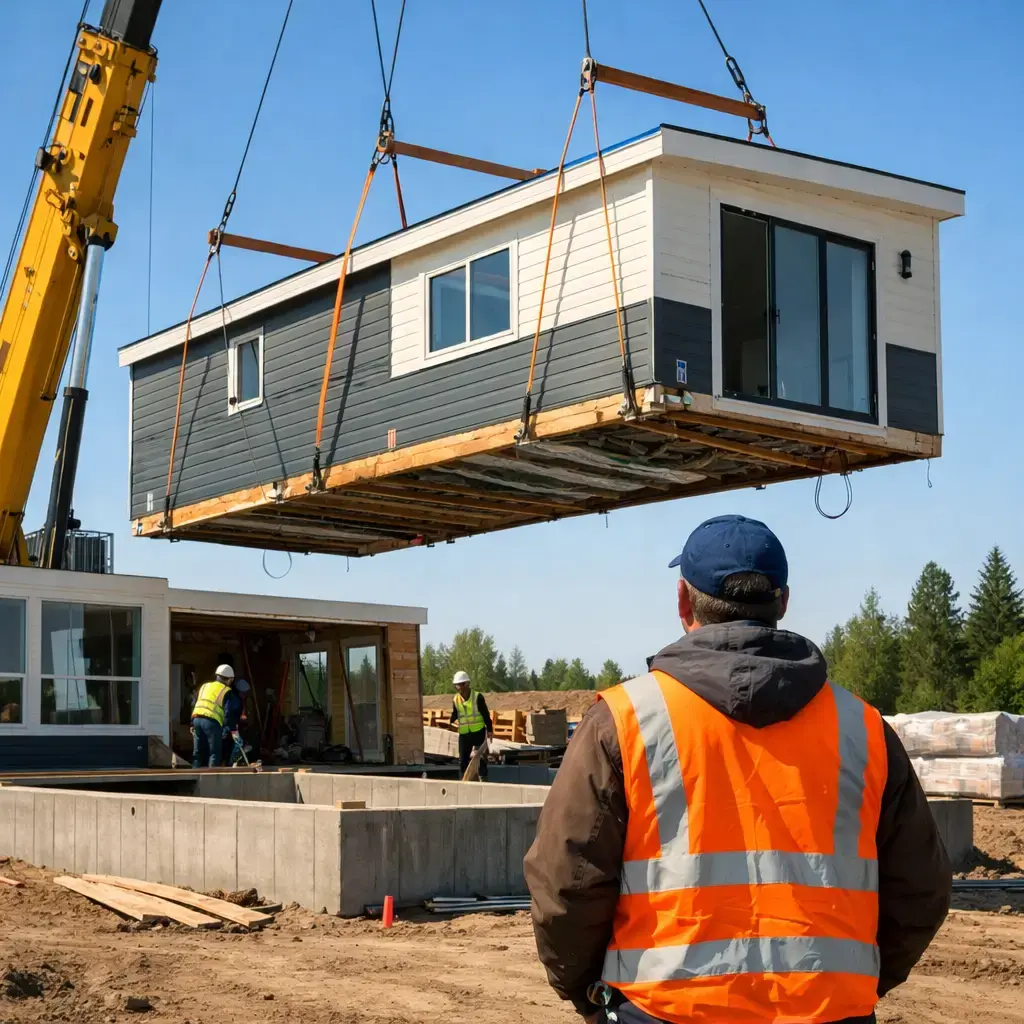
Prefabricated construction systems—often referred to as prefab, modular, or off-site construction—are becoming increasingly popular in the self-build sector.
These systems involve components or entire structural sections being manufactured in a factory and then assembled on-site. Examples include:
- Modular home sections delivered and installed on-site
- Panelised systems such as SIPs or timber frame panels
- Pre-engineered structural components
Prefab systems can offer several advantages for self-builders:
- Faster construction timelines
- More predictable build costs
- Improved energy efficiency
- Consistent factory-controlled quality
Because these methods differ from traditional brick-and-block construction, they may sometimes fall under the “non-standard” category from an insurance perspective. However, that classification does not mean insurers automatically see them as high risk.
Why Non-Standard Materials Are Common in Self-Build Projects?
Self-build homes are rarely “one-size-fits-all.” Many projects involve modern construction techniques, sustainability goals, or innovative designs.
Budget considerations can also influence material choices. For example, a self-builder might choose:
- A more cost-effective cladding system
- Timber framing instead of masonry
- A modular or prefab structure to reduce build time
- Energy-efficient panel systems
These choices can help manage costs and improve performance without compromising the quality or safety of the finished home.
Insurance: It’s About Understanding the Build
One of the biggest misconceptions is that insurance pricing is based purely on whether materials are considered standard or non-standard.
In reality, insurers look at a wider range of factors, including:
- The overall construction method
- Build quality and professional oversight
- Location and rebuild value
- Fire and weather resilience
- Security and risk management
When the construction details are properly explained, many homes built with modern systems or alternative materials can still be insured at very competitive premiums.
The Value of Working With a Specialist Broker
This is where working with a broker experienced in self-build insurance is particularly valuable.
A specialist broker can:
- Present the build details clearly to insurers
- Approach providers who understand modern construction methods
- Ensure prefab systems or alternative materials are properly explained
- Arrange cover tailored to the specific project
In many cases, this means that non-standard elements have little impact on the affordability of the policy.
Don’t Let the Term “Non-Standard” Put You Off
The term “non-standard construction” can sound worrying, but it’s simply an insurance classification. Many modern homes—and a large number of self-build properties—fall into this category.
With the right advice and access to suitable insurers, using alternative materials or prefabricated systems doesn’t have to limit your insurance options or significantly increase costs.
Final Thoughts
Self-building allows you to design a home that reflects your vision, lifestyle, and budget. Choosing modern materials or construction systems—including prefab solutions—is often part of that process.
Insurance shouldn’t stand in the way.
By working with a broker who understands self-build construction, you can ensure your home is properly protected from the start of the build through to completion—without assuming that “non-standard” means unaffordable.
If you're planning a self-build project or already underway, speaking to a specialist early can help ensure your insurance keeps pace with your build every step of the way—call us on 01344 771626 to discuss your plans and options.

Cob House Insurance: Why Use Specialised Brokers Instead of Comparison Sites?

Does Your Property Qualify For A Non-Standard Home Insurance Policy?


No Comments Yet
Let us know what you think